
Travel isn’t always pretty. It isn’t always comfortable. Sometimes it hurts, it even breaks your heart. But that’s okay. The journey changes you; it should change you. It leaves marks on your memory, on your consciousness, on your heart, and on your body. You take something with you. Hopefully, you leave something good behind.
Anthony Bourdain
Our final three ports with Semester at Sea were the most difficult and the most rewarding.
It is hard for me to comprehend time in centuries, especially living in the U.S. where the majority of structures are fewer than 400 years old. Even then, we have a tendency to bulldoze older buildings rather than restore or renovate them because new construction is often less expensive. So, it’s been wonderful touring cities with fully functioning buildings that are hundreds of years old, as well as a number of ancient ruins that are well-preserved and protected.
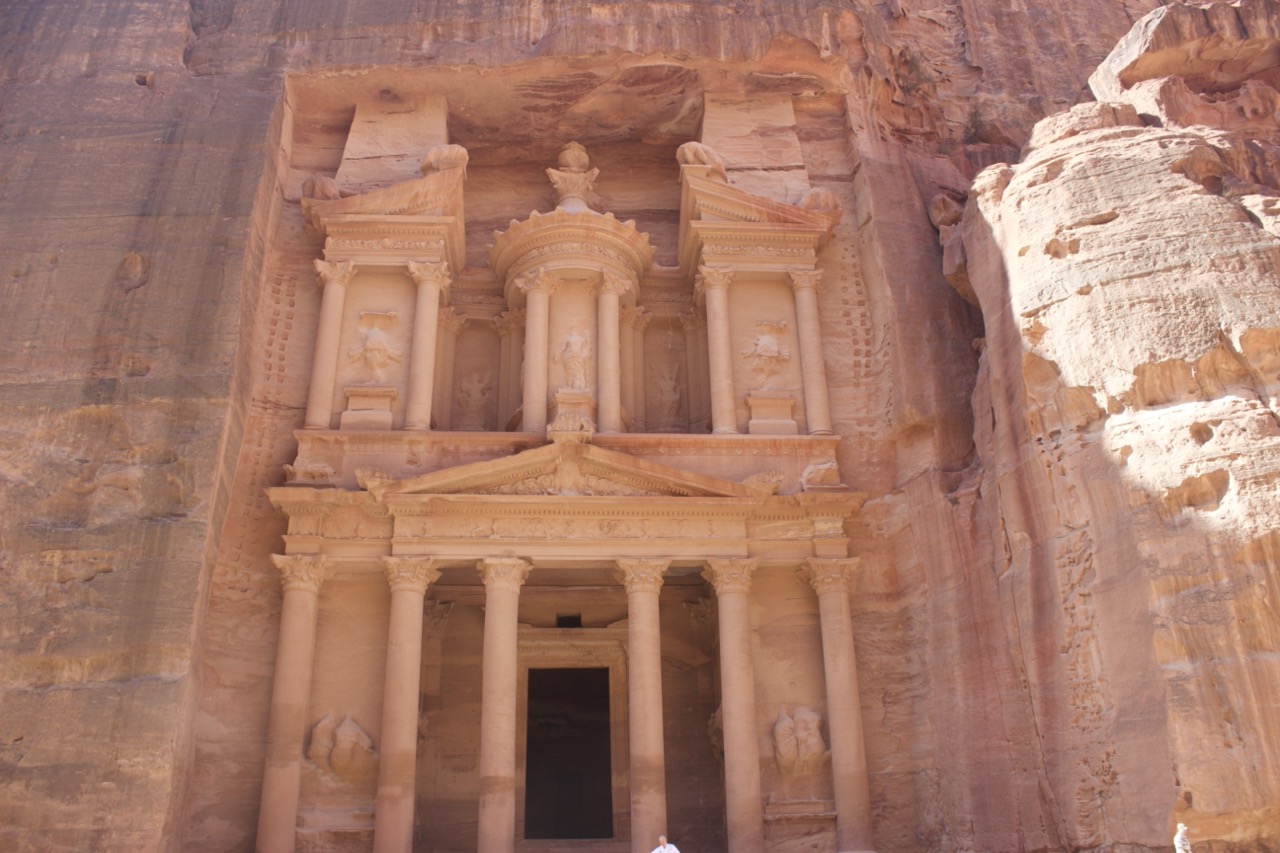
Jordan: While in Jordan, we spent a day at Petra, which turned out to be my favorite site of ancient ruins. Throughout the centuries, the UNESCO site was occupied by the Egyptians, Romans, Greeks, and ultimately the Bedouins of Jordan. In fact, about 3000 Bedouins lived at Petra until 1986 when UNESCO took over the site and moved them out. As we walked through the curvy, uneven slot canyons to make our way to the Treasury, the walls on either side displayed ancient sandstone carvings, statues, and markings. The Treasury was incredible.
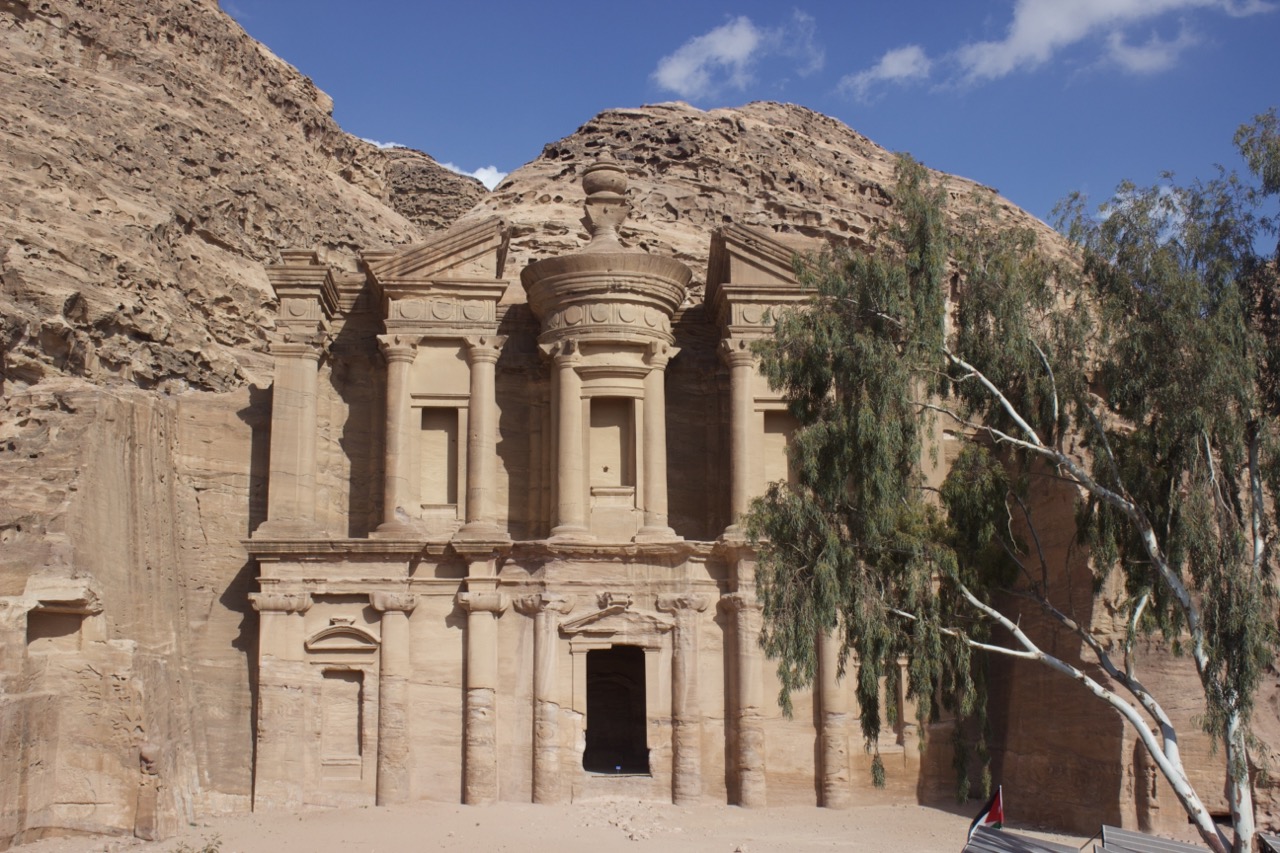
Our guide continued to lead us towards the market square that had been mostly demolished long ago in an earthquake, but its original scale would have been a sight to behold. We were then encouraged to go to the top of the mountain to view the Monastery. Many locals were trying to convince us to ride their donkeys to the top for a small fee. We dismissed the idea, believing that because we were mountain girls, a little hike up a hill wouldn’t be too difficult. We should have ridden the donkeys. The climb consisted of vertical sandstone and rock “steps” for the entire two kilometers to the top. When we turned the final corner, we stood speechless as we marveled at the workmanship of this world treasure. That day, our iPhones tracked over ten miles and 75 flights of stairs.
The remaining days in Jordan were spent in Aqaba and Wadi Rum. We toured Aqaba Fortress and Ayla Archaeological Site and enjoyed the port city. At Wadi Rum, we took a 4×4 desert tour through the canyons and desert, which was reminiscent of Canyon de Chelly in Chinle, Arizona.

Kenya: My experiences in Kenya made this my favorite country since leaving the U.S. in August. As the ship pulled into port, drummers and dancers in traditional dress danced and played for a solid three hours while immigration and dignitaries were on board the ship. Television crews and cameras were everywhere. Apparently, we made international news. Mombasa is a fairly new cruise port, so our arrival had southern Kenyans very excited.
Our first day was spent touring Mombasa’s city center that included the Hindu Temple, Fort Jesus National Museum and Portuguese Castle, Independence Park, the Uhuru (freedom) Gardens, and the Giant Elephant Tusks Monument built in 1952 to honor Queen Elizabeth II. Kenya has a complicated history with British colonialism. We ended the day at the Akamba Woodcarving factory where we observed skilled craftspeople from a specific tribe hand-carving traditional items out of ebony, mahogany, rosewood, teak wood, and the nim tree.
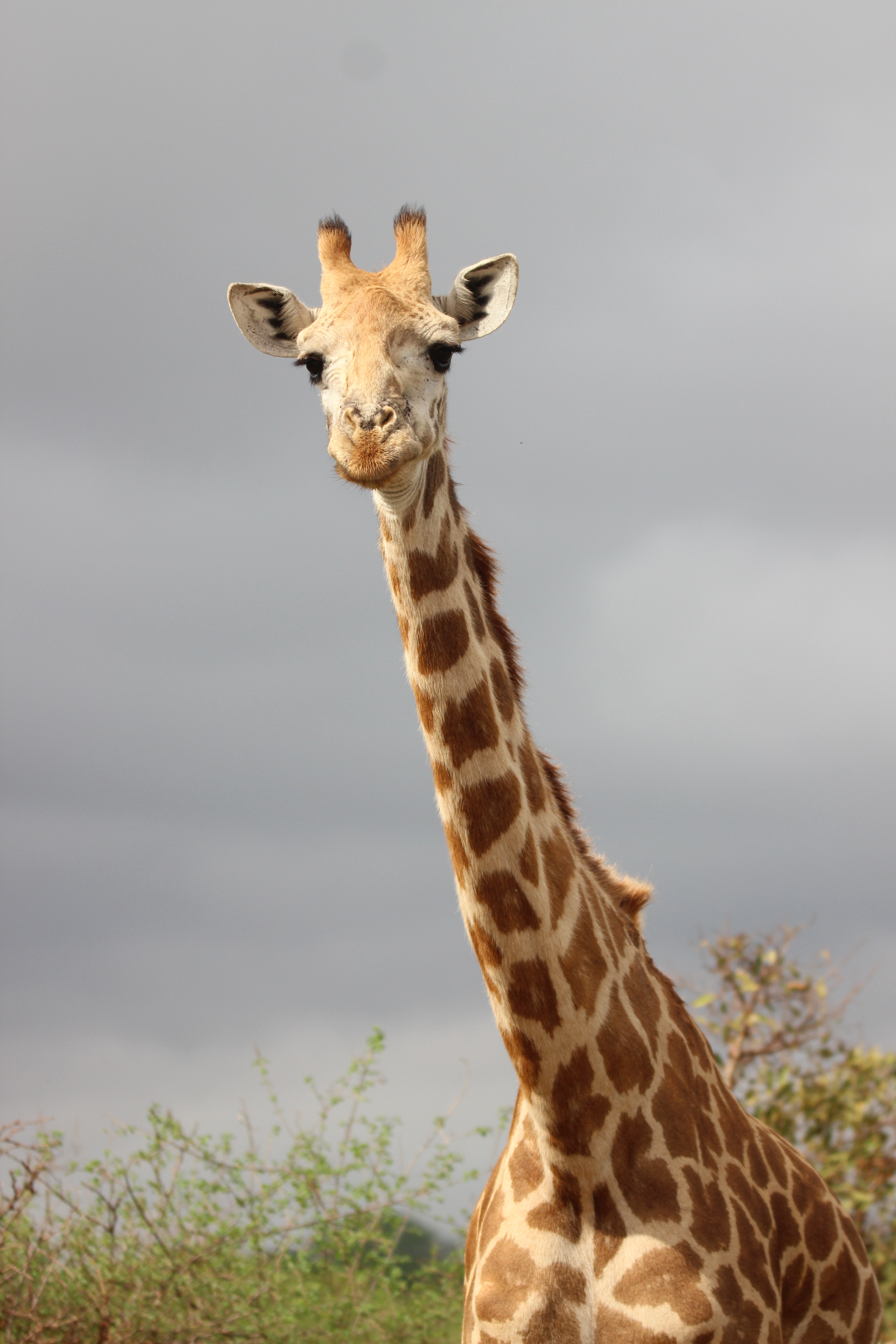
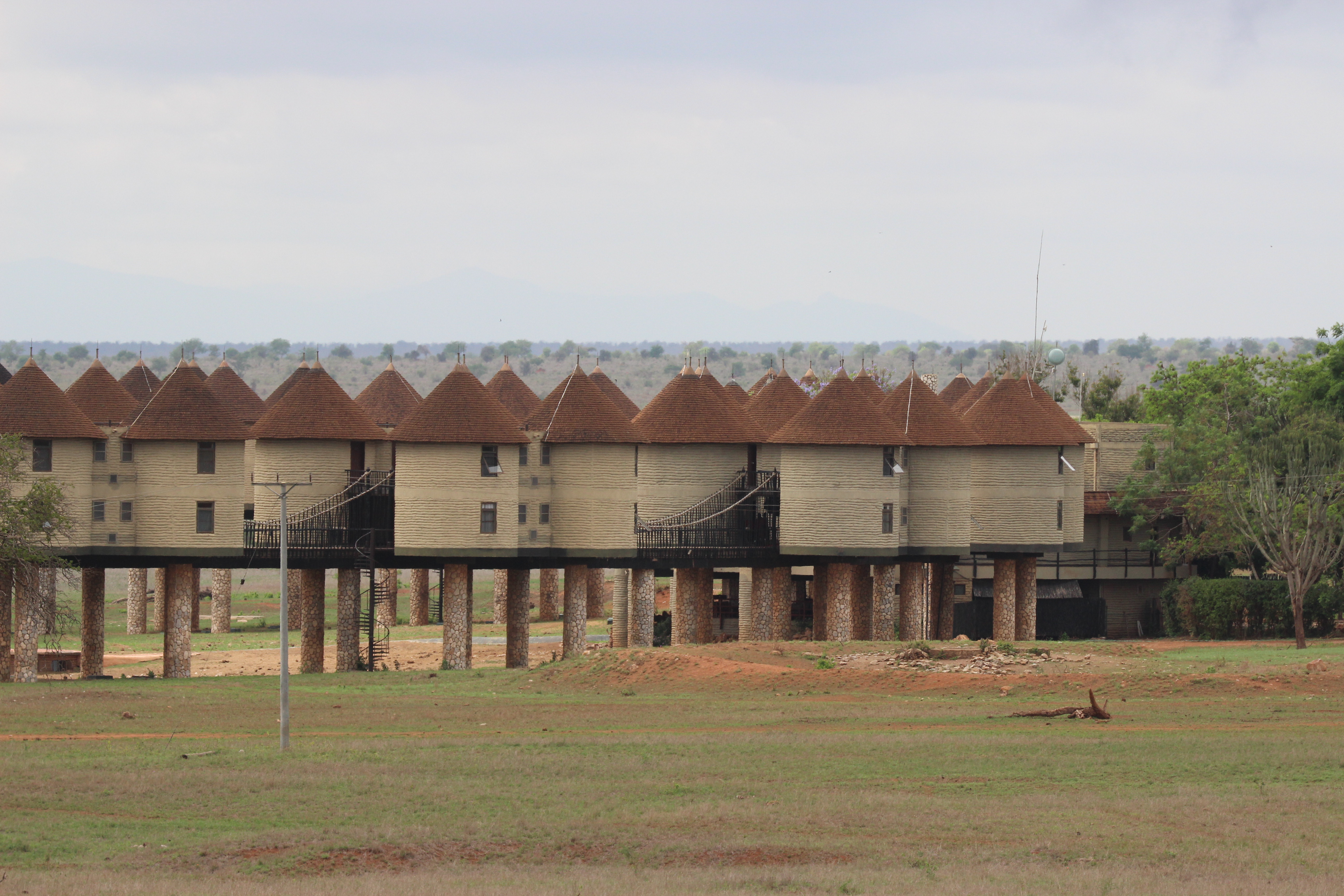
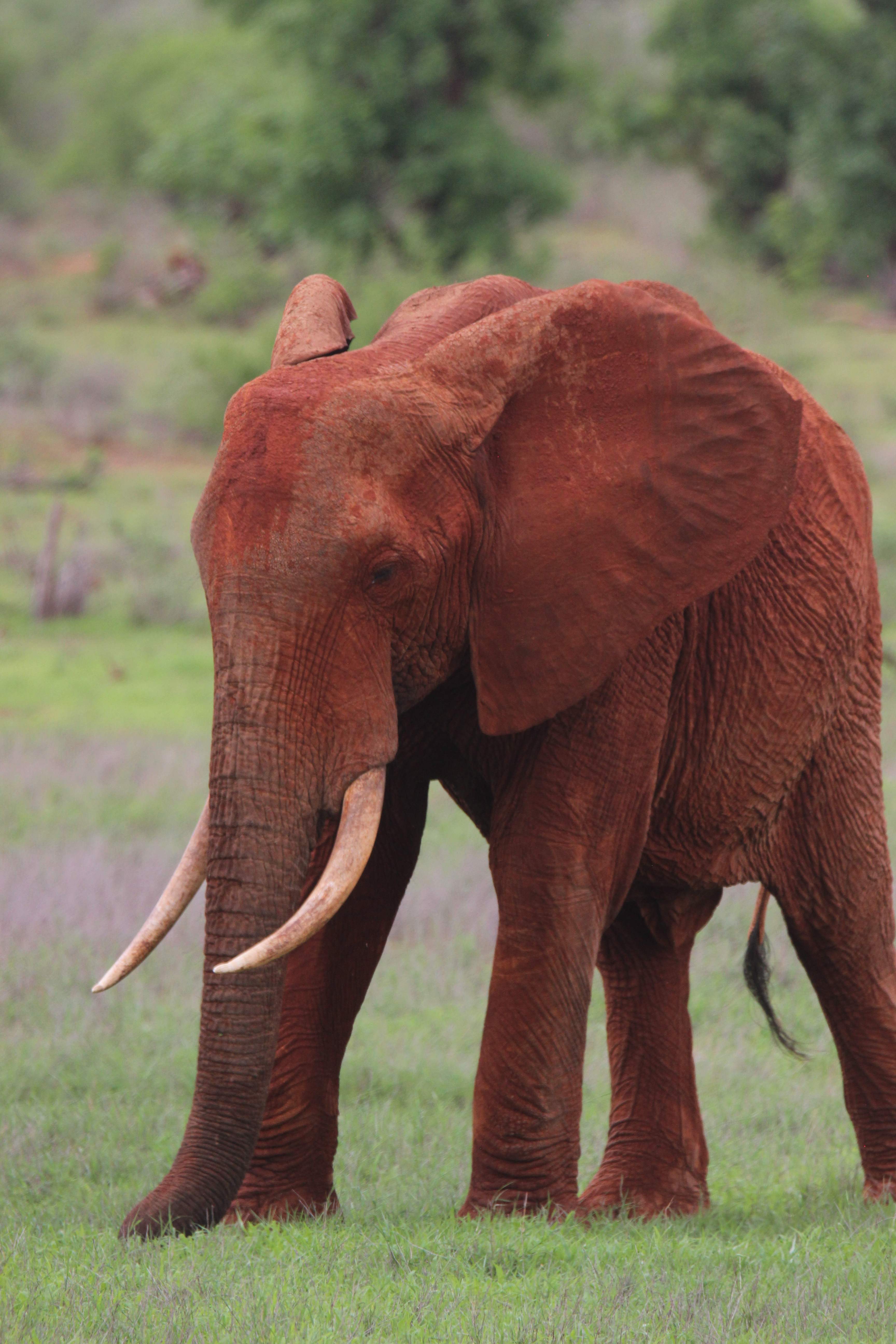
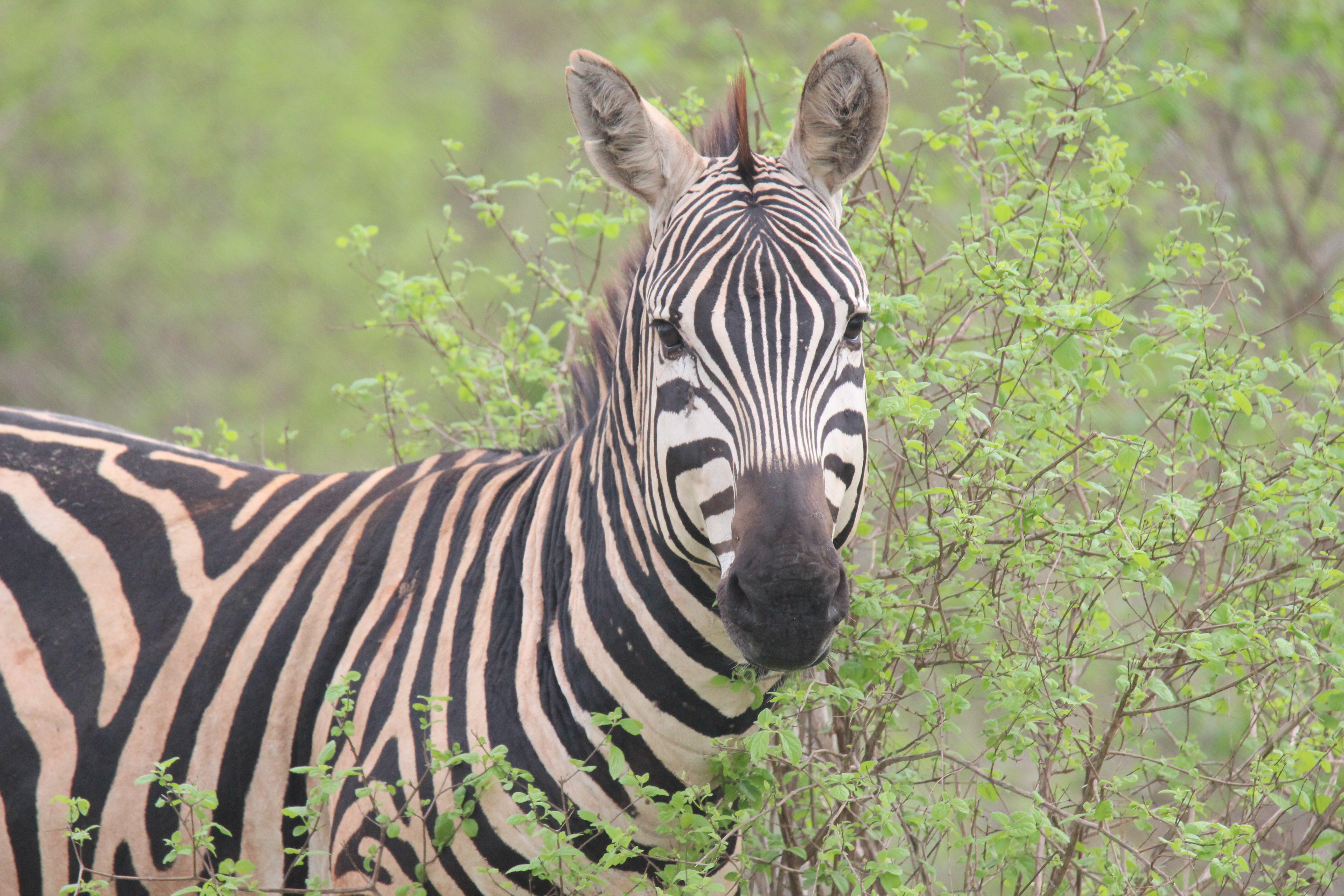
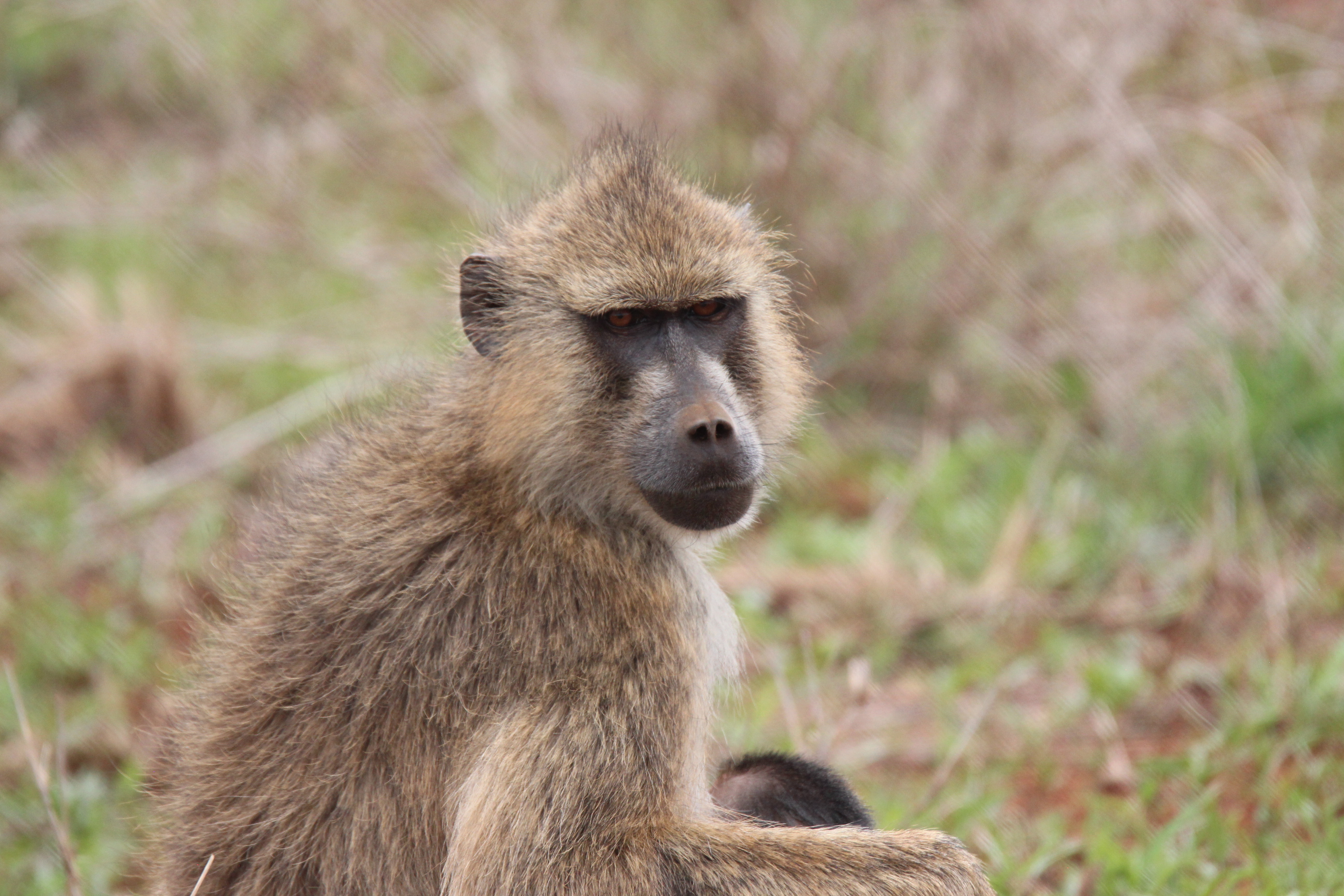
The next four days were filled with once-in-a-lifetime experiences that I hope to be able to repeat. Our guide, Nicholas, picked us up at the port in Mombasa for a three-day safari. We spent the first day at Tsavo East National Park and the second day at Taita Hills near Salt Lick Lodge. We saw hundreds of animals. Sarah had hauled her telephoto lens for this safari and captured incredible pictures. The fun was riding along with Nicholas who scouted and knew just where to find each type of animal. When he spotted something new, he would holler at Sarah to get the bazooka ready! He was extraordinarily knowledgeable and kind. Nicholas quickly became our friend.


After our three days together, he invited us to his home village up in the mountains. Although we were a little hesitant (SAS voyagers were strictly warned about safety issues and had a curfew of 6 pm nightly in port), we trusted Nicholas and took off for the hills. We ended up arriving in his village to meet his sister, Sophy, who is a teacher. We met with the schoolmaster, as the students were finishing up semester exams before their seven-week term break. The gracious, loving welcome was so overwhelming, we were a bit uncomfortable. They sat us in front of the school room full of students, introduced us, and asked us to speak. If the village wasn’t so extremely primitive, I would consider returning to teach for a semester or two, but I know I couldn’t do it. We were invited for lunch, which normally consists of foods from family gardens brought daily by the children. Two cooks prepare the food each day based on what is provided by families. They cook on an open fire, as there is no electricity or running water in the school’s “kitchen.” The meal was tasty. Before we left school, I was able to play soccer with the kids.
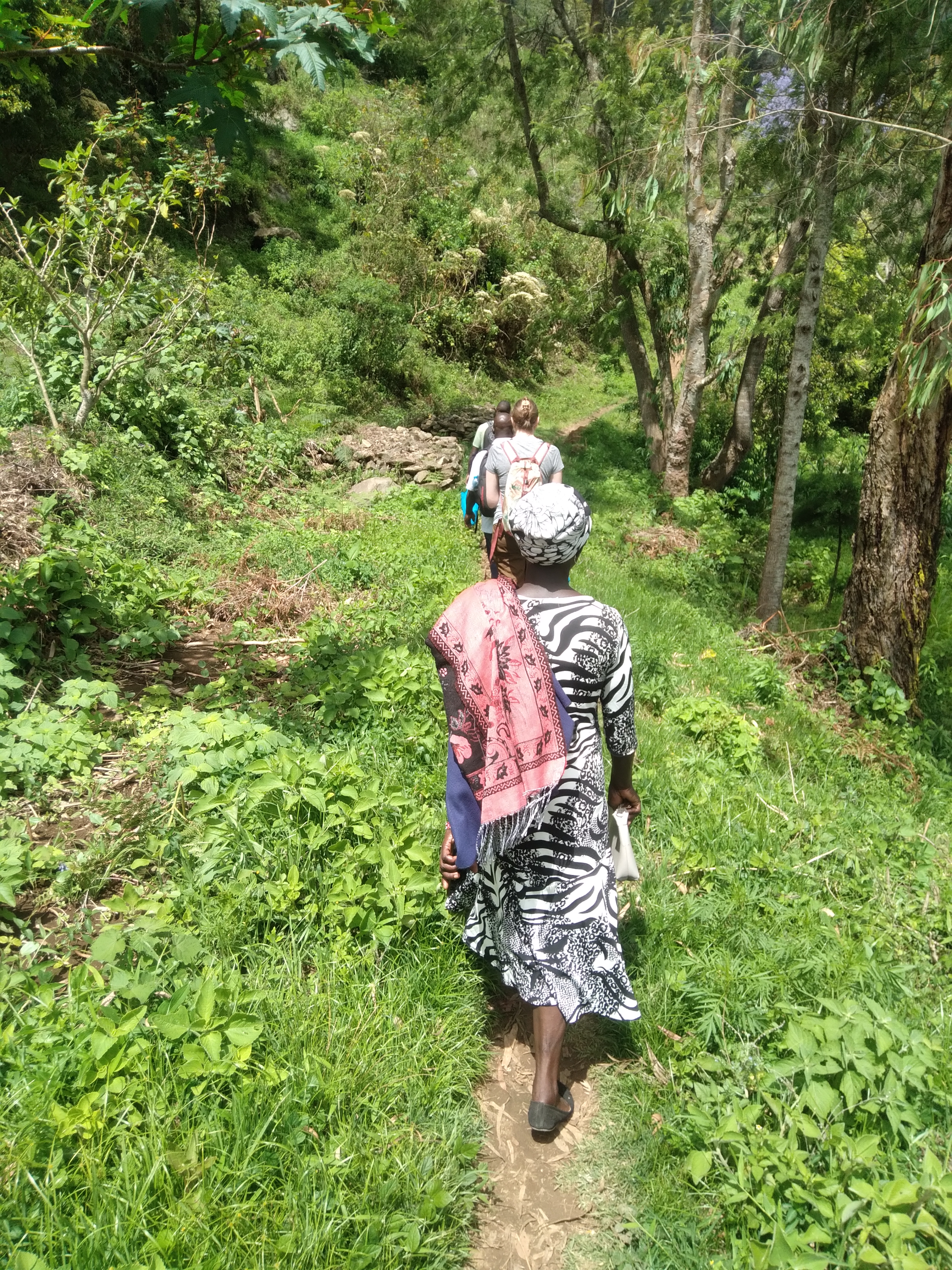
Students go to school from 5 am to 5 pm six days a week, and many have to walk a few miles to get to school. It is a federal requirement to send children to school or parents go to jail. Sophy walks an hour to and from her school every day, so she was pleased to have her brother drive us as far as there was a road. We parked the safari vehicle next to the church and had to hike up the mountain to her home. This tiny woman insisted on carrying my heavy backpack all the way. When we arrived, we were greeted by her older son, Brian, who was actually the one hosting us overnight. He is also a teacher but in a village several hours from their home. He is 27 and is not married, but built his home in hopes of having a large family.
Because this remote village is up in the mountains, our arrival was quite the news. In fact, Brian and Sophy were required to report our presence to the village chief to ensure we were not “terrorists.” The chief came over to Sophy’s house and sat and watched the World Cup with us. So many villagers came by to see us, that Sophy put two chairs outside for us to sit as folks paraded past us. Most stopped to shake hands, give sincere hugs, speak English, and teach us some simple Swahili phrases. In the meantime, Sophy started a fire to prepare our afternoon lunch (even though we’d already eaten at school). We had fried eggs, a boiled maize flour traditional dish, and cooked pumpkin leaves that looked like spinach but tasted differently. We helped with the dishes by filling bowls with cold rainwater (her only source) and washing with bar soap while squatting. She immediately started the preparations for dinner, which took her five hours. Brian chose the fattest rooster and excused himself to go butcher it for our dinner, which he did.
Sophy’s older brother also joined us for dinner. Kenyans eat with their hands. Every part of the meal is consumed by hand, but she offered us spoons. The houses that have indoor toilets are oval bowls built into the floor with a hole that requires squatting. Because there is no running water, there is a bucket of water to pour into the bowl to “flush.” There is no such thing as a sewer system or waste management. In Mombasa, we usually had a “high” flush toilet, but flushing usually didn’t work well and toilet paper anywhere was a luxury. There was usually a bar of soap and a bowl of water on the floor for cleansing.
When Sarah and I first arrived earlier that afternoon, we were very nervous. We were trying to think of ways to convince Nicholas we needed to get back to the ship because we were so far out of our comfort zone. Earlier that week in Nicholas’ neighborhood in Mombasa, a group of young men was caught after breaking into a business and stealing items. They were beaten and burned alive in the street. While going through photo albums of her five children, Sophy shared the story of her mother’s tragic death. In 2016, her mother (born in 1941) was walking from her home and disappeared. They found her in the mountains four days later, raped and murdered. Even after these stories, Sarah and I relaxed a lot and embraced an opportunity that no one else on the ship was fortunate to have. Nicholas was a tremendous safari guide, but an even greater human being. It seemed like everyone we met that afternoon asked when we will return. They wanted a date so that they could all be there. Sophy’s husband is a headmaster in another school four hours away and was so sad he missed us. We video-chatted with him and their youngest son, as well as Sophy’s two daughters.
Sarah and I slept well that night. As we hiked out of the village the next morning to the safari vehicle, we were escorted by village children. We drove Sophy and another villager to a nearby community, where we said our goodbyes with promises to stay in touch. We stopped for fuel about an hour out of the village where Sophy’s daughter, Diana, met us to say hello. She’s a pharmaceutical student with one year remaining. It is a simple but hard life for my new friends in Kenya. I will look into shipping boxes of supplies to the village. Operation Christmas Child has just taken on a new focus for Sarah and me. Depending on cost and customs requirements, I have already started making a long list of needs.
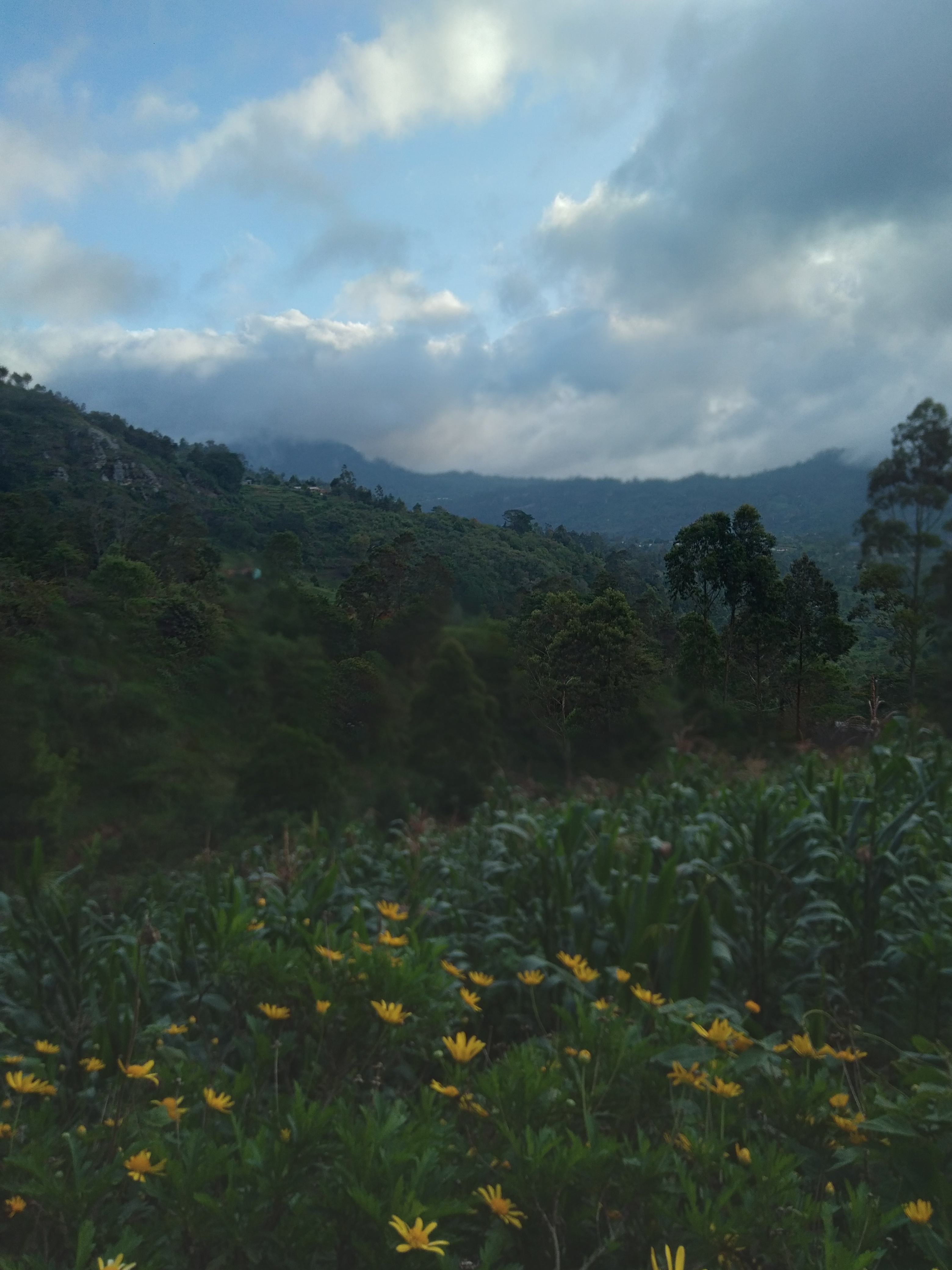
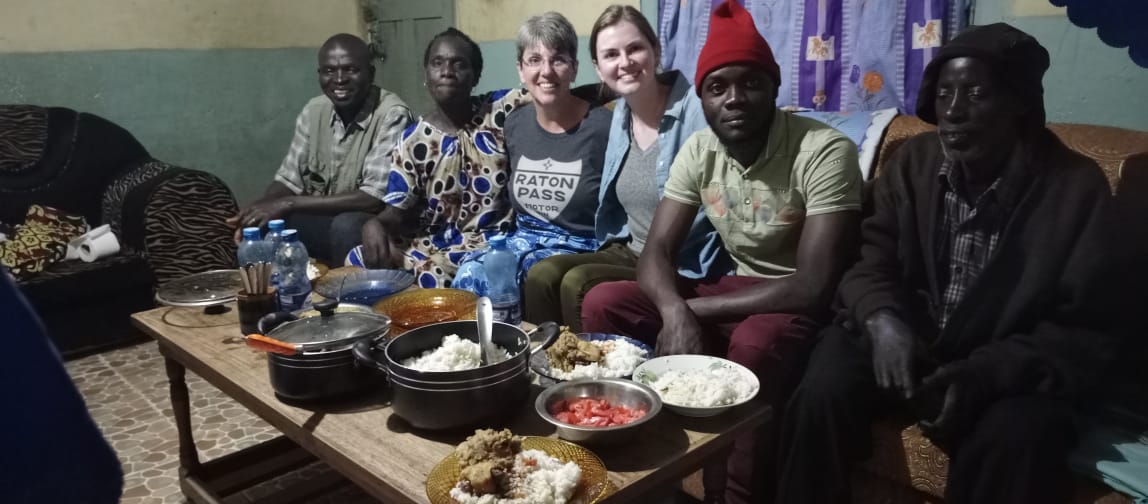

On our final day in Kenya, we visited Bombolulu – a fair-trade NGO founded by the Association for the Physically Disabled of Kenya. It was created to provide social and economic rehabilitation and empowerment to people in Kenya with disabilities. They operate a number of workshops focused on different forms of art and a cultural center that shares information on indigenous culture. In addition to art, the center also produces wheelchairs that are donated to people throughout the country. The center provides art skills training for people with disabilities, housing for the artisans, and nursery school for their children. We toured examples of tribal villages, danced with traditional dancers, and ate a wonderful meal at “the best restaurant” in Mombasa. It was blistering hot, so we were exhausted when we got back to the ship at 3:30 p.m. However, upon arrival at the terminal, we heard the drums, bugle-type horns, and singing. More Kenyans in traditional clothing were dancing barefoot on the hot concrete. We didn’t leave the port until 8 p.m. They danced nonstop for over four hours.
When we pulled out of port, I could smell the smoke from mealtime preparations that were taking place all over the city. Tears fill my eyes as this experience in Kenya was exactly what I was hoping for while on Semester at Sea. I was challenged. I was blessed. I learned. I changed. The past week will take many weeks to fully process.
India: Our first day in Mumbai/Bombay was spent exploring the city highlights. We visited the Gateway of India, the Prince of Wales Museum, and the Mani Bhavan Museum where Mahatma Gandhi spent many years of his life.
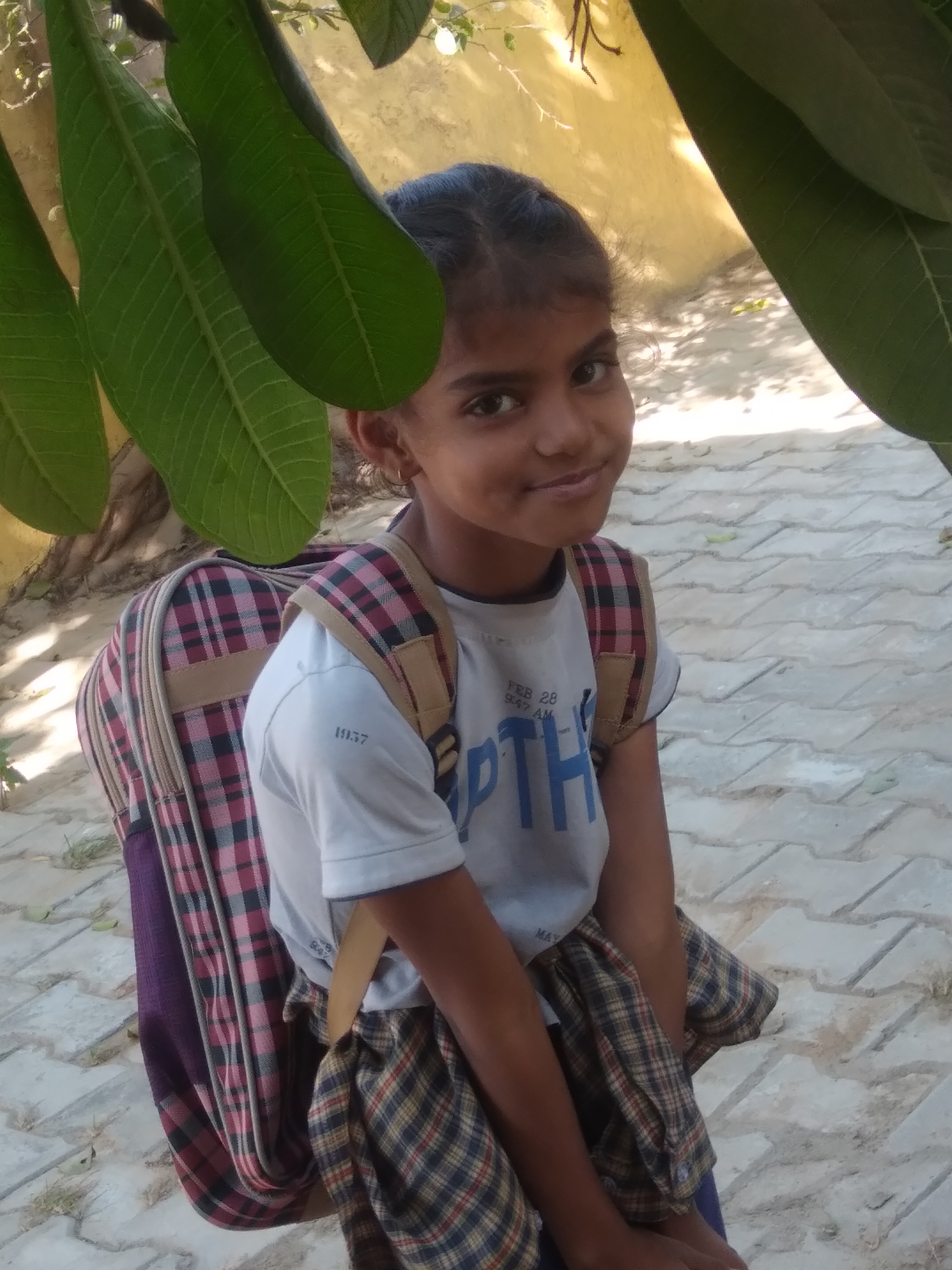
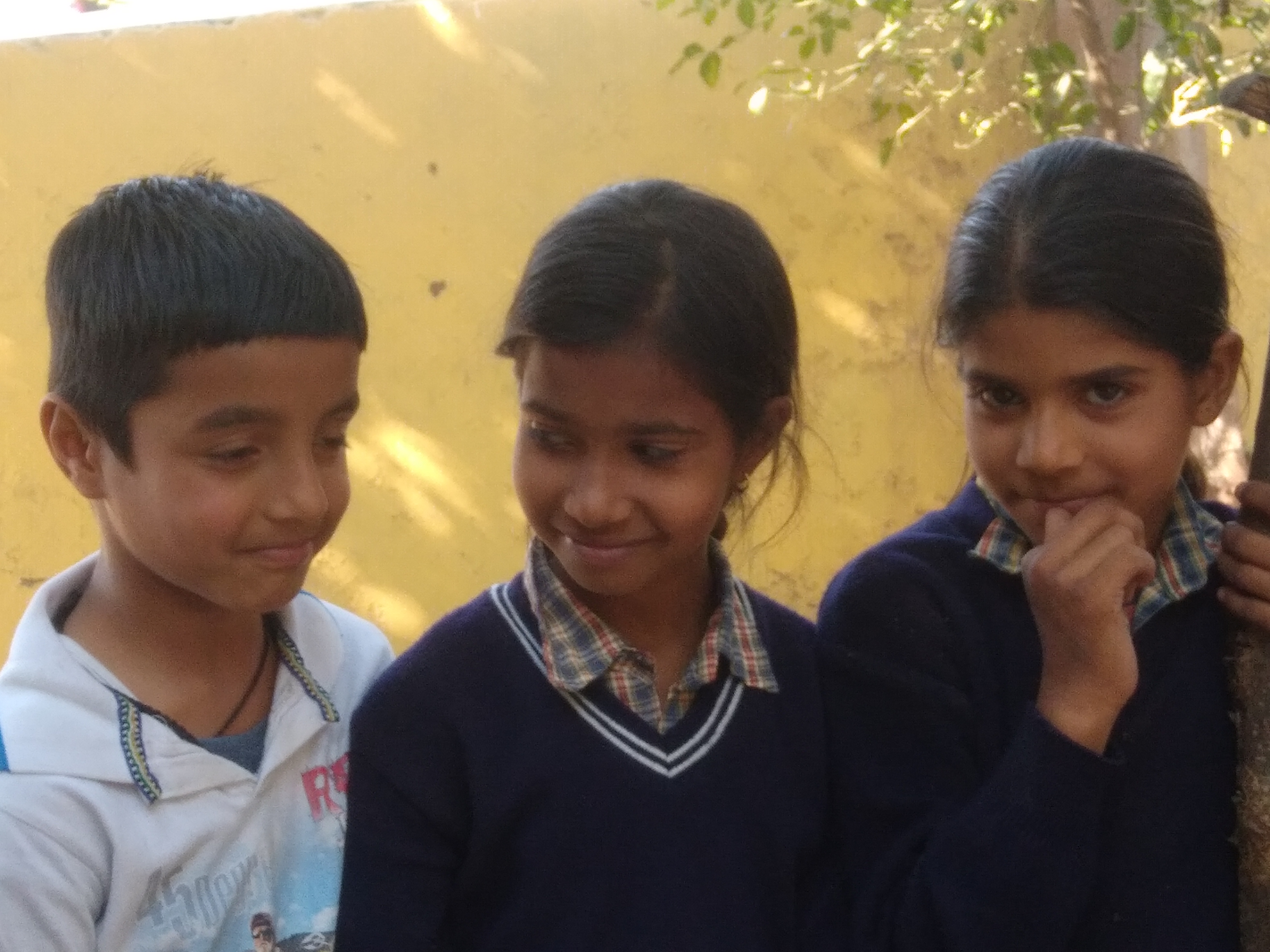
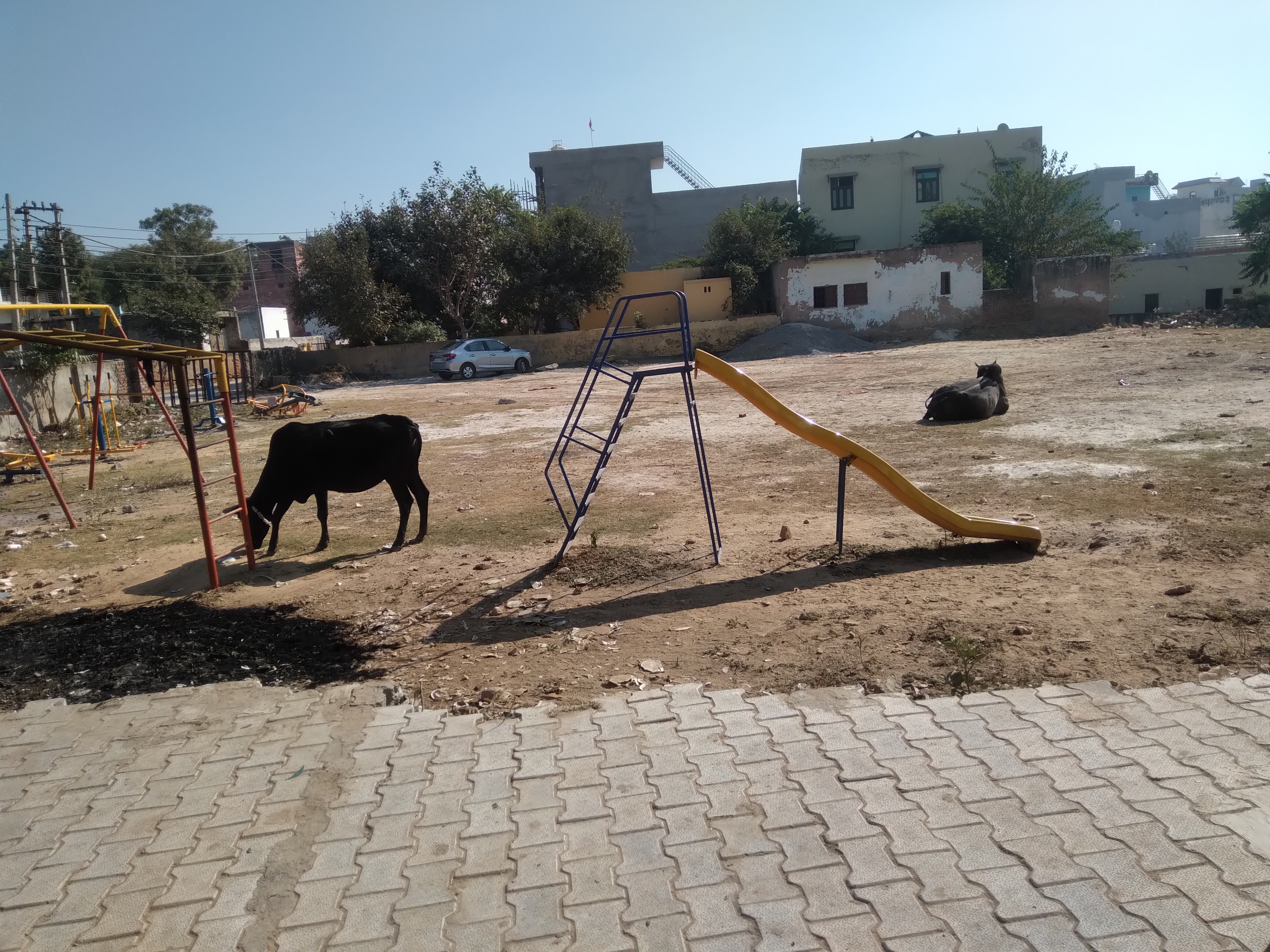
The following three days were long but quite fulfilling. We gathered at 3 a.m. to catch a shuttle to the airport to fly to Delhi. Our guide met us at the airport before traveling to Bandhwari village located near Gurgaon, on the outskirts of Delhi. Here, the Incentive Foundation, a socially-responsible initiative “formed with a vision to empower change through education” is currently working on a combined project to promote education and health services. We met local women and children at the village community center. It took several minutes for them to warm up, but soon we were talking and laughing and playing with the children. As we walked throughout the village, the children followed. I would love to also return to this village to teach for a year or two, but know I would struggle.
Later that afternoon, we visited Qutub Minar, the famous minaret of Delhi. The soaring conical tower is a Tower of Victory, built in the 12th century. Inside the courtyard stands the Iron Pillar, which dates back to the 4th century A.D. and bears a Sanskrit inscription in the Gupta style. This pillar has puzzled scientists, as its iron has yet to rust after these many centuries. What was most puzzling was the number of Indians who boldly took videos and photos of us everywhere we went; yet, the majority of folks simply said hello and waved.
The next morning, we toured the Jama Masjid (Friday Mosque), India’s largest mosque, followed by a ride on a cycle rickshaw through the narrow streets of Old Delhi. We then traveled five hours by bus to Agra, where we had a tremendous multi-course meal of traditional Indian cuisine.
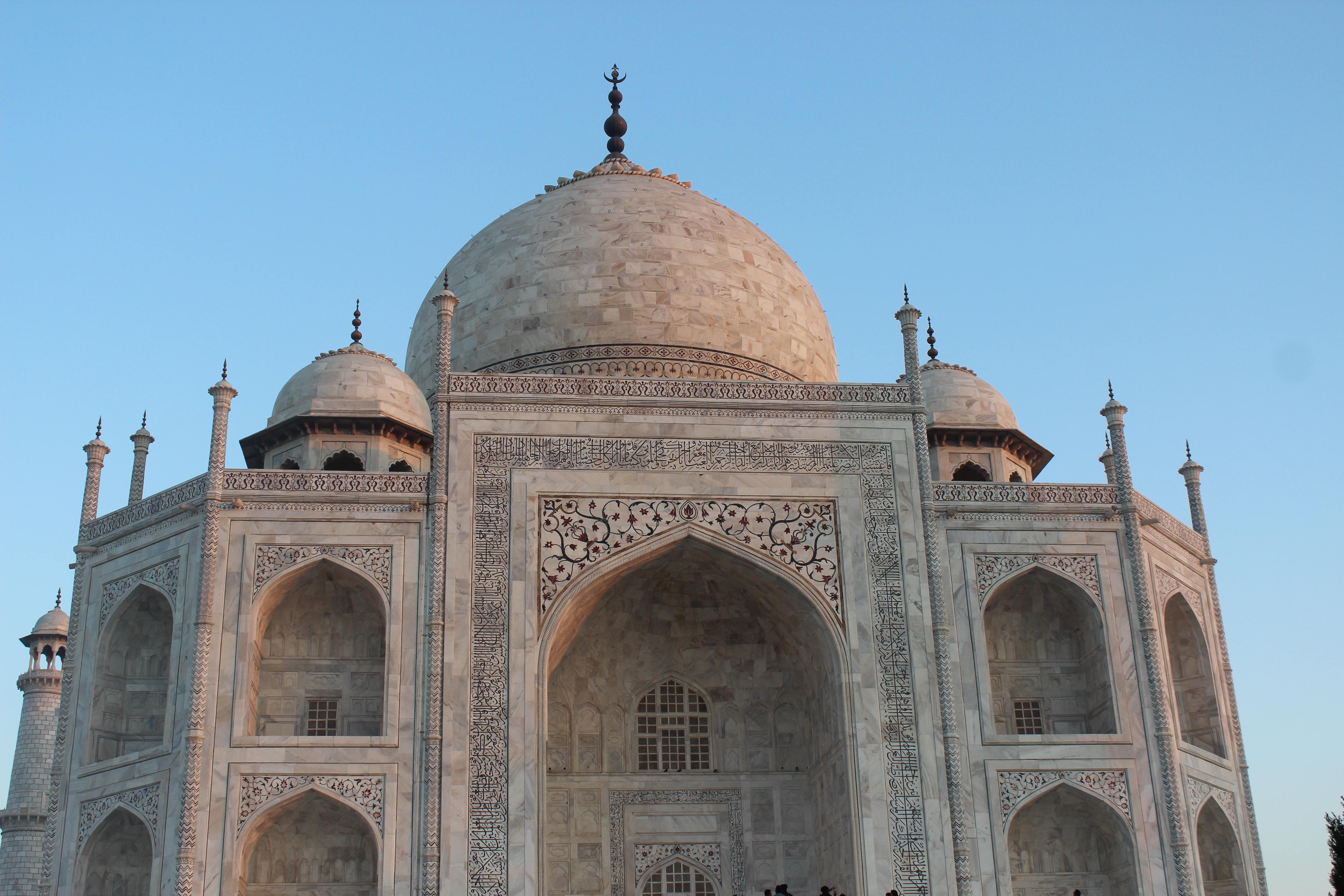
We woke early in order to watch the sunrise over the Taj Mahal! Considered to be the finest architectural achievement of the Moghuls, and maybe mankind, the Taj Mahal was built over a period of 22 years under the orders of the Mughal Emperor Shah Jahan in 1630. This monument enshrines the mortal remains of his beloved wife who died giving birth to their 14th child. After breakfast, we headed to Agra Fort, which was built by three Mughal emperors beginning in 1565. Within the fort are a number of exquisite buildings including the one where Shah Jahan died as a prisoner overlooking the Taj Mahal that he had built for his wife.



Later that afternoon, we had tea at Sheroes (she+heroes) Hangout, a space managed and staffed by women who have survived acid attacks. This cafe is a center for activism and provides a space for various campaigns and social issues. We met with the women and heard the testimonies of horrific, mutilating attacks overshadowed by stories of heroism and bravery. Once again, I was challenged. I was blessed. I learned. I changed.
United Arab Emirates: Disembarkation occurs on December 22…
 Chasing Verbs