
In the midst of hate, I found there was, within me, an invincible love. In the midst of tears, I found there was, within me, an invincible smile. In the midst of chaos, I found there was, within me, an invincible calm. I realized, through it all, that… In the midst of winter, I found there was, within me, an invincible summer. And that makes me happy. For it says that no matter how hard the world pushes against me, within me, there’s something stronger – something better pushing right back.
Albert Camus
The first day I arrived in Navajo Nation, a coworker asked me why I’d chosen to teach on a Native American reservation. I provided a canned explanation but am still thinking about a truthful answer. I go where I can express (or find in others) that invincible love, invincible smile, invincible calm, invincible summer… I go where it makes me happy.
Our conversation moved to travel and adventure and circled back to teaching. He asked if I’d considered teaching in a foreign country, to which I replied, “Of course!” However, I have hesitated to move across the ocean because that would mean leaving my parents, siblings, and children for months and months at a time. My new friend continued to explain that I was now living in a different country, but that it is actually the very heart and origin of my own country. That conversation occurred two months ago, but I am still thinking about his words every day.

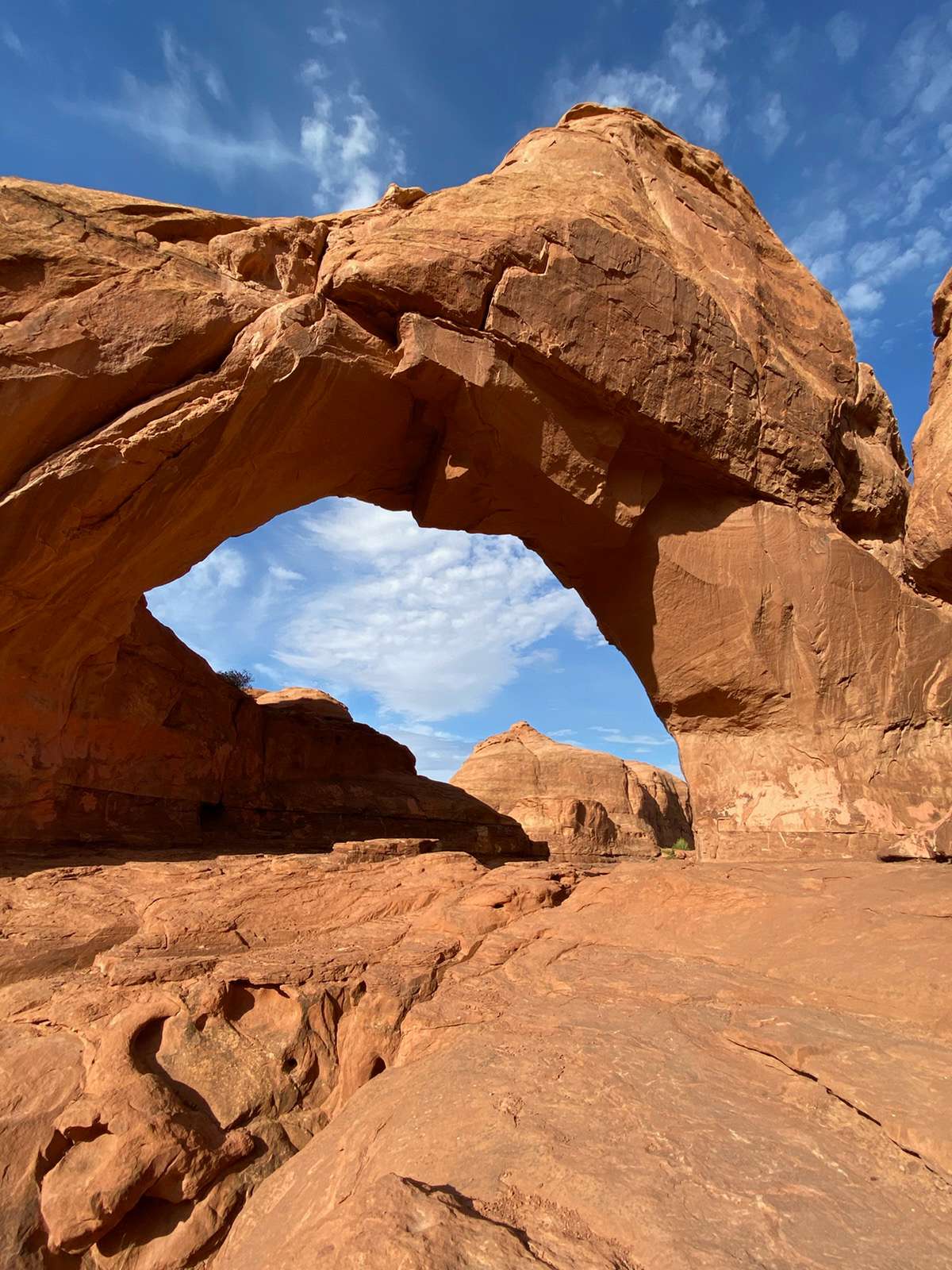
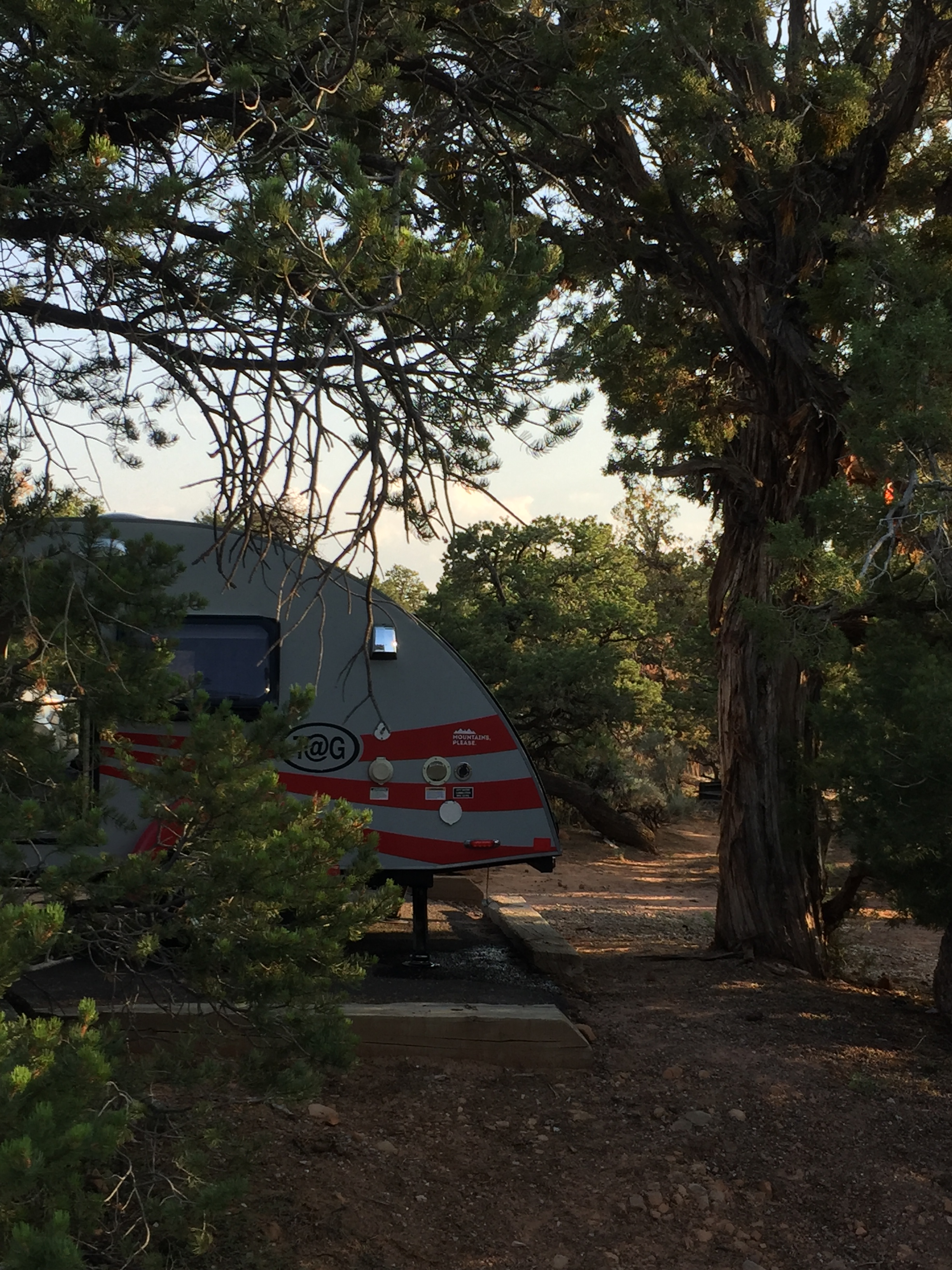
Navajo Nation is its own sovereign nation within the United States that was established over 150 years ago. The Nation has its own constitution, president, three branches of government, college and university, economy, newspaper and television station, national parks, and attractions. Geographically, some would consider it quite large, covering over 17 million acres – but I may mention that a few hundred years ago, the “Navajo Nation” was not limited geographically.
I live in government housing at a Bureau of Indian Education boarding school – yes, one of those boarding schools. A few decades ago, there were 1200 students living in the dormitories. Today, about 25 students total live here during the week. Several explanations have been provided to me as to why few live on campus, but I have surmised that Covid has had a tremendous impact, followed by cultural traditions, familial relationships and obligations, government subsidies, and so on. Thankfully, we are no longer dragging young children away from their homes and forcing them to live in boarding schools. Today, it is their option.
I’m teaching sophomore English to a group of students whose first language isn’t English. I struggled to decide what novels to bring into the classroom and decided to start with a new book published in 2019 by a New York Times sportswriter who followed a Navajo high school boys basketball team through a season. Canyon Dreams takes place in a neighboring community and has been tremendously helpful in my own understanding of life on the Rez. My students are teaching their English teacher a lot about the Navajo culture as a result of this novel study. In a way, the curriculum I’ve chosen to teach is the polar opposite of what was required in boarding schools a century ago. Instead of stripping Native children of their culture, I’m helping to bring it all back into the classroom.
The students are exceptionally respectful but painfully silent, so our class “discussions” must start with written responses. They’ve written about their clans, traditions, and ceremonies (interesting and brilliant aspects of this culture). I also realize that my students are limiting what they share, partly because this generation is just trying to understand and learn of their own culture themselves, and partly because I am not Navajo and therefore unable to revere and honor the teachings. I absolutely agree.
Approximately one-third of my students live without electricity and running water. (Reread that sentence and attempt to put it into perspective). The reasons behind this are complex, but the fact remains. Yet, worldwide, technology continues to move forward at an astounding pace and is bypassing this Nation. As we observe what is happening with electric vehicles, solar power, medical advancements, space travel, robots, and so on, it is inconceivable that we have a large number of folks living in the United States without very basic needs. Teaching has taken on a completely different challenge as a result.
Before arriving on the Rez, I was incredibly naive to the conditions here. Navajos suffer from diseases caused by high volumes of hazardous waste from decades of uranium mining, as well as significantly higher diabetes rates (four times higher than the U.S. standard). Throughout the pandemic, the Navajo Nation has had the highest Covid-19 infection rate per capita in the United States. Every single person I’ve met has had a close relative die from Covid-19. So, wearing masks – or double masking – is not only the norm here, but required (even outside). A large portion of our students choose to stay at home full time, while the rest are alternating and come to in-person classes twice a week. This makes for difficult lesson planning and instructional approaches, but I’ll do anything to keep the Covid numbers down, regardless of others’ personal feelings towards masks, vaccines, quarantining, etc. My students are kind, introspective, respectful, and willing learners who deserve my very best.


I have been able to take my little trailer and travel a bit on the weekends. It’s funny because so many of the locals can’t wait to leave the Rez on the weekends and go to larger cities. A coworker said the isolation is a real struggle, so he drives to Phoenix a couple times a month to get a “decent cup of coffee and do some real shopping at Cosco.” For me, I’m with people all week long on the Rez, so I choose to isolate myself somewhere in the woods. I’ve seen some beautiful landscapes and learned important history while visiting Canyon de Chelly National Monument, Petrified Forest National Park, Hubbell Trading Post National Historic Site, Navajo National Monument, and Monument Valley Navajo Tribal Park. In all directions from my house, mesas and canyons accent the red-desert soil and prominent blue skies. Every Sunday afternoon, depending on where I’ve spent my weekend, I pull into a local grocery store and get my supplies for the week. Usually, there is a hardware store and a laundromat next to or inside the grocery store. I’ve met dozens of Navajo women at the laundromats, where they often ask where I’m from. I love telling them, “I live here on the Rez, just up the road.” The Navajo people are extraordinarily kind and generally love conversation.
Before the pandemic, I often went to music concerts where, at intermission, they would ask for folks to sponsor children from all over the world. We’d take a card with a child’s name and age and begin the monthly sponsorship, which continued for years until the child reached age 18. As a mother, I felt this helped my own kiddos understand that not everyone in the world has it as easily as they did. I think it may have contributed to the degree of sincere compassion they seem to share for others.
Finally, I would like to challenge each of you to revisit the fact that so many people here do not have electricity or running water. We are in the middle of a 22-year megadrought, which means there is no crop farming, and water must be hauled in for livestock, as well as for many household needs. If you would like to somehow contribute to “the greater good” and help bring water to Navajo families, consider purchasing a hand-crafted item by Navajo artisans where 100% of your donation will go directly to the Navajo Water Project. The folks at the Navajo Water Project have no idea I’m mentioning them and including their website in this blog post. It just seems like a great company that could use all the help they can get.
~ ~ ~
I’m still unsure why I’ve chosen to plant myself in the middle of a foreign country right here in the American Desert Southwest, but I do know that I have happened upon a treasure. Here, among the Natives, I’ve been merely introduced to their history, their culture, and their stories of immense perseverance and faith. And, so it seems that in the midst of hate, there is love. In the midst of tears, there is a smile. In the midst of chaos, there is calm. Through it all, in the midst of winter, there is an invincible summer.
 Chasing Verbs
Jennifer,
This is wonderful!!
Tim
LikeLike